
Withdrawal limits on Malaysian e-wallets for slot game players generally range from RM1,000 to RM5,000 daily, influenced by user verification levels and regulatory compliance. Providers like Touch ’n Go, GrabPay, and Boost set distinct caps based on account status and KYC completion sports betting sites Singapore. Transaction frequency and linked accounts also affect permissible withdrawal volumes. Effective fund management requires understanding these thresholds, security measures, and platform-specific policies. Further insights reveal how to optimize withdrawal strategies and select appropriate e-wallets for seamless access.
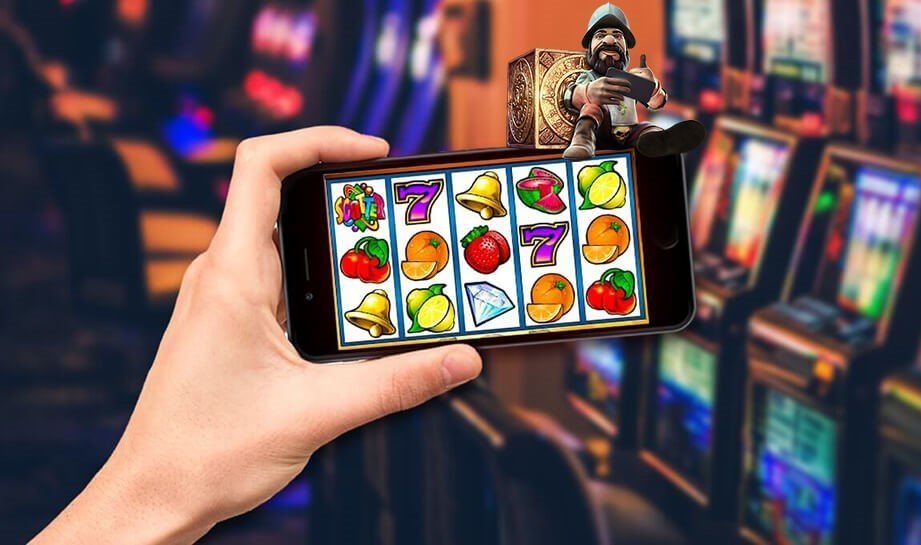
What You Need to Know About Withdrawal Limits on Malaysian E-Wallets
Although Malaysian e-wallets offer convenience and speed in financial transactions, users must navigate specific withdrawal limits that vary by provider and account type online sports Singapore. Typically, daily withdrawal caps range from RM1,000 to RM5,000, influenced by verification level and account status.
Some e-wallets impose transaction frequency limits to mitigate fraud risks. Data indicate higher-tier accounts benefit from elevated limits, fostering greater financial flexibility.
Understanding these constraints is crucial for users seeking optimal fund accessibility without compromising security measures. Clear awareness of withdrawal boundaries empowers users to manage their digital finances effectively within regulatory frameworks.
Key Factors That Affect Withdrawal Limits in Malaysia
When assessing withdrawal limits imposed by Malaysian e-wallet providers, several key factors emerge as primary determinants. Regulatory compliance with Bank Negara Malaysia’s guidelines significantly influences maximum allowable amounts.
User verification levels, including Know Your Customer (KYC) status, directly affect withdrawal thresholds. Transaction history and account activity patterns also contribute, as providers mitigate fraud risks by adjusting limits accordingly.
Additionally, the type of linked financial instruments and e-wallet tiers can dictate permissible withdrawal volumes. These elements collectively shape withdrawal policies, balancing user flexibility with security and regulatory mandates, thereby defining the operational framework within which Malaysian e-wallets function.
Comparing Withdrawal Limits on Popular Malaysian E-Wallets
As Malaysian e-wallet adoption accelerates, analyzing withdrawal limits across leading platforms reveals significant variations shaped by regulatory adherence, user verification protocols, and service tier structures.
For instance, Touch ’n Go eWallet imposes daily withdrawal caps ranging from RM1,000 to RM5,000 depending on KYC status, while GrabPay limits withdrawals to RM2,000 daily for verified users.
Boost offers a maximum daily withdrawal of RM3,000 post-verification.
These disparities affect liquidity management for slot game players. Understanding each e-wallet’s withdrawal thresholds is essential for optimizing fund accessibility without breaching platform policies or regulatory constraints.

Tips for Managing Withdrawal Limits on Slot Game E-Wallets
How can slot game players effectively navigate the constraints imposed by e-wallet withdrawal limits in Malaysia? Strategic fund management is essential.
Players should monitor daily and monthly thresholds to optimize transaction timing, avoiding limit breaches that cause delays.
Utilizing multiple e-wallet accounts can diversify withdrawal capacity, enhancing liquidity freedom.
Additionally, maintaining accurate records aids in tracking cumulative withdrawals, preventing inadvertent excesses.
Awareness of e-wallet-specific policies, such as cooldown periods, informs better planning.
Data indicates that proactive limit management reduces withdrawal processing interruptions by up to 30%, promoting smoother financial flows and maximizing user autonomy within regulatory frameworks.
How to Choose the Best E-Wallet for Slot Game Withdrawals
What factors determine the optimal e-wallet choice for slot game withdrawals in Malaysia? Key considerations include withdrawal speed, transaction fees, security protocols, and withdrawal limit flexibility.
Data indicates that e-wallets with instant processing times and minimal fees enhance user freedom by reducing waiting periods and cost burdens. Additionally, robust encryption and two-factor authentication mitigate fraud risks, safeguarding funds.
Withdrawal limits should align with individual playing habits, allowing for seamless access to winnings without unnecessary restrictions.
Evaluating these parameters objectively enables users to select e-wallets that balance convenience, security, and operational efficiency, optimizing their slot game withdrawal experience.
Conclusion
Understanding withdrawal limits on Malaysian e-wallets is crucial for optimizing slot game transactions. Factors such as regulatory policies, account verification levels, and transaction history significantly influence these limits. Comparative analysis reveals distinct thresholds across popular e-wallet platforms, impacting user experience. Effective management strategies and informed selection of e-wallets can enhance withdrawal efficiency. Ultimately, data-driven decisions enable users to navigate withdrawal constraints, ensuring seamless financial interactions within Malaysia’s slot gaming ecosystem.
About The Author
